

“Walking in Faith. Growing in Purpose.”
Rhoades Well Traveled Ministries — connecting hearts across every path of faith.”

Rhoades Well Traveled Ministries
July 15, 2026
In a world often divided by belief, interfaith dialogue becomes a light that brings us back to our shared humanity. When we sit together with open hearts, we learn, we listen, and we discover the common ground God planted in all of us. Unity begins with conversation — and every voice matters.
Embrace the Discomfort
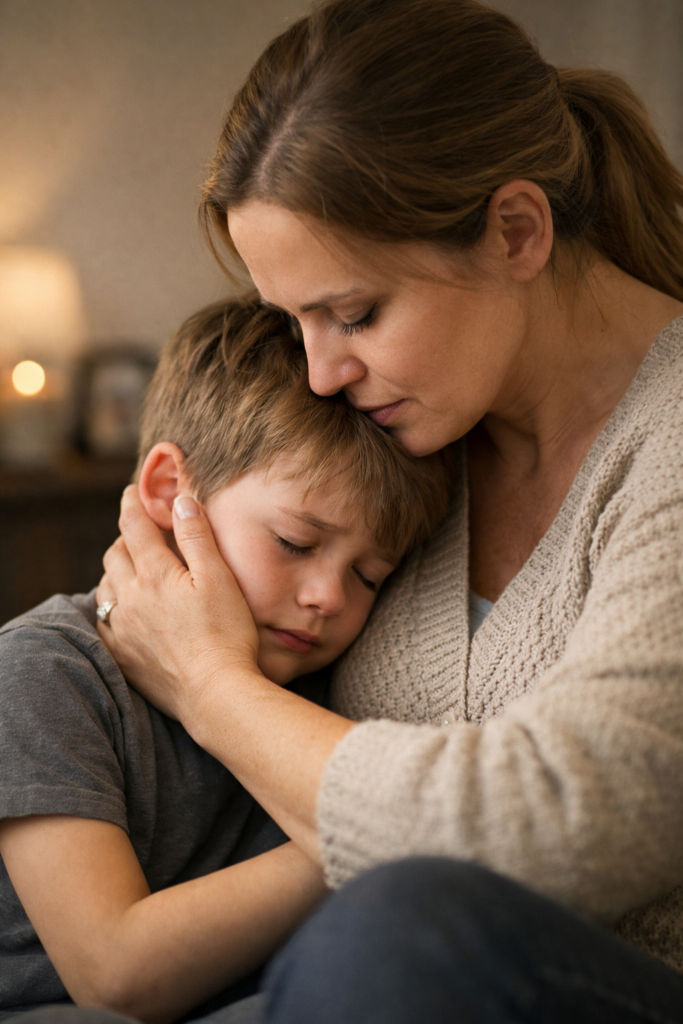
Discussing death is uncomfortable for people of all ages. Children may want to avoid the topic for reasons such as fear of the unknown, cultural or religious beliefs, emotional intensity, or societal taboos. Your child may not be able to explain why they feel distressed, so it’s important that you understand the complexities surrounding loss. This is also a chance to confront your own feelings and share reflections with your child.
Support Your Child in Age‑Appropriate Ways
Different ages require different approaches. Younger children may need repetition and simple explanations, while teens may need space and independence.
Preschoolers (Ages 3–5)
They’re just beginning to grasp the concept of death. Keep explanations simple and concrete: “Grandma’s body stopped working, and she won’t be with us anymore.”
Reassure them that sadness is okay. Use books or drawings to help them express feelings.
School‑Age Children (Ages 6–12)
They understand more but may struggle with permanence. Encourage questions and open expression. Let them participate in rituals if they choose.
Common questions include:
“What happens after people die?”
“When will Mommy and Daddy die?”
“Will I die someday too?”
Be honest without being frightening. Prepare your answers. You can redirect gently by reminding them that you’re both healthy and don’t need to worry about death right now.
Teenagers (Ages 13–18)
They understand death but still wrestle with intense emotions. Encourage communication and validate their feelings.
Help them find healthy coping outlets — journaling, talking with friends, or activities they enjoy. Offer counseling or support groups if grief affects their daily functioning.

 Footer Note
Written for The Pilgrim’s Haven Blog — Rhoades Well Traveled Ministries “Together in spirit, strong in service — connecting hearts across every path of faith.”
0
0
votes
Article Rating
Subscribe
Login
0 Comments
Oldest
Newest
Most Voted

© Copyright 2023-2026 — Rhoades Well Traveled Ministries — Built and maintained by Danny Rhoades,Owner · Publisher · Designer · Minister
— ALL RIGHTS RESERVED —